
Reproductive failure is expensive. A missed breeding cycle, a low-conception-rate bull, or a litter smaller than expected — every one of those outcomes has a dollar sign on it. What most producers and breeders don’t fully account for is how much of that loss traces back to nutrition, specifically the chronic omega-3 deficiency that plagues grain-heavy, late-season forage diets.
The research on omega-3 fatty acids and reproductive performance has been building for over two decades across cattle, horses, and dogs. The findings are consistent: animals with adequate omega-3 levels breed better, recover faster post-partum, and produce healthier offspring. This post breaks down what the science says — and what you can do about it before breeding season.
Why Omega-3 Deficiency Hits Reproduction First
Omega-3 fatty acids — specifically alpha-linolenic acid (ALA) found in flax — are precursors to the hormones and signaling molecules that govern the entire reproductive cycle. Ovulation, fertilization, embryo survival, uterine health, and sperm cell membrane integrity all depend on adequate omega-3 levels at the cellular level. Animals can’t synthesize these fats on their own. They have to come from the diet.
Modern grain-forward diets tilt the omega-6 to omega-3 ratio dramatically toward omega-6. That imbalance drives chronic low-grade inflammation — exactly the environment that disrupts hormone signaling and compromises reproductive efficiency. Correcting that ratio is step one in any serious breeding nutrition program.
Cattle: Bulls, Cows, and the Numbers That Matter
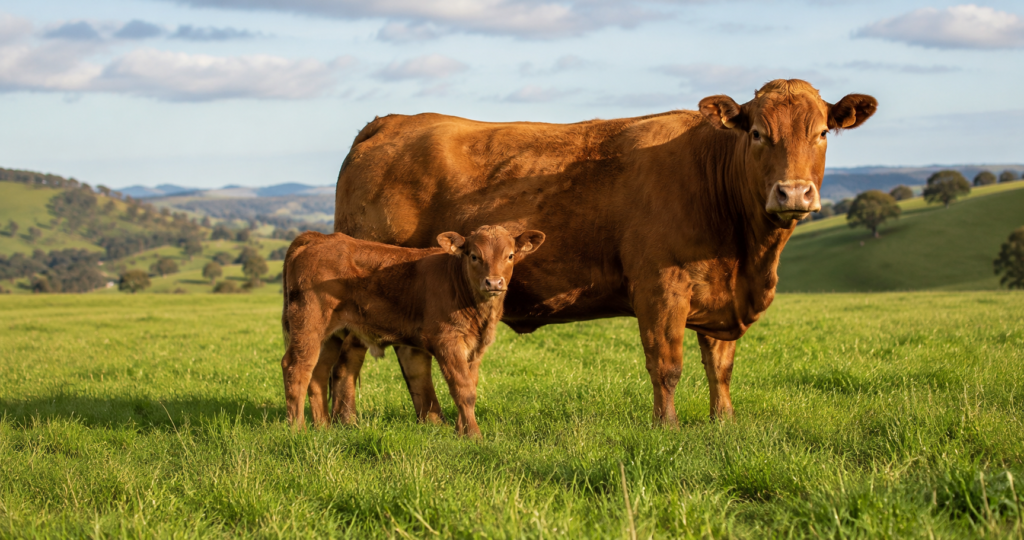
The bovine research on flax and reproduction is extensive and specific. On the bull side, a Kansas State University study using flaxseed as the primary fatty acid source showed 9% greater sperm motility and 21% more normal sperm compared to unsupplemented controls. A separate commercial herd trial in Missoula, Montana, produced similar results: 8% better sperm motility and 22% more normal sperm in bulls receiving flax supplementation.
For cows, the data on post-calving recovery is equally compelling. A university study found that females supplemented with flax through their third trimester and calving period showed nearly 20% higher ovulation rates within 30 days post-calving. By 60 days post-calving, supplemented cows were cycling at a rate 50% higher than the control group. On the dairy side, research from Canada’s Dairy and Swine Research Center reported first-service conception rates of 87% in flax-supplemented Holstein cows — compared to 50% in unsupplemented controls.
The timing recommendation from the research: start supplementing 60 days before breeding and continue through the breeding season. For stress events like calving and weaning, begin 28 days prior.
Stocked Up delivers cold-milled non-GMO flax at a minimum of 12% omega-3, combined with a proprietary microbial fermentation ingredient that supports rumen health and nutrient digestibility. Better rumen function means the nutrients your cows are eating — including the fatty acids that drive reproductive performance — are actually getting absorbed and put to work.
Horses: Stallions, Mares, and What the Research Shows
Research on omega-3 supplementation in horses has shown positive effects on seminal characteristics in stallions and general reproductive support in mares. The mechanism is the same as in cattle: omega-3 fatty acids support the hormonal signaling environment necessary for a healthy reproductive cycle, and help reduce the inflammatory load that can interfere with conception and early embryo survival.
Flaxseed contains naturally occurring phytoestrogens, and some older research flagged this as a potential consideration for mares with a documented history of fertility problems. In practice, Big Hoss customers have reported excellent results in both mare health and offspring vitality. As with any significant change to a breeding animal’s nutrition program, consulting your veterinarian is always a reasonable step — but the real-world track record here is solid.
Big Hoss provides cold-milled flax with a minimum 12% omega-3, along with the same microbial fermentation ingredient included in Stocked Up — supporting gut health, nutrient absorption, and the systemic anti-inflammatory environment that healthy reproduction requires.
Dogs: What Breeding Programs Miss on Nutrition
Omega-3 deficiency in breeding dogs is underreported but well-documented in the broader research. Sperm membrane integrity, motility, and viable cell count in males are all dependent on omega-3 fatty acid availability — the same physiological pattern observed across species. In females, omega-3 support during gestation contributes to fetal neurological development and litter vitality.
Working dog breeders and serious sport dog programs that already prioritize joint health and coat condition in their dogs are often getting reproductive benefits as a side effect — they just don’t always connect the two. Omega-3 supplementation doesn’t need to be a separate intervention; it’s part of building an animal that performs well across every biological system.
Unleashed delivers cold-milled non-GMO flax in a daily supplement designed for active and working dogs. One pound lasts approximately three months for a 40–60 lb dog at one tablespoon per day.
The Gut Connection: Absorbing What You’re Feeding
This is where the second component of the Outlaw formula matters. Omega-3 supplementation alone only works if the animal’s digestive system is functioning well enough to absorb and utilize those fatty acids. University trials on the proprietary microbial fermentation ingredient in both Big Hoss and Stocked Up showed significant improvements in crude protein and fiber digestibility. In one Utah State University study, rumen bacteria counts increased dramatically with supplementation — improving fermentation efficiency and nutrient uptake across the board.
For breeding animals under the additional physiological demand of gestation, lactation, or active reproductive cycling, that digestive efficiency isn’t a secondary benefit. It’s the mechanism that makes the omega-3s count.
The Bottom Line on Breeding Nutrition
A missed conception, a slow breed-back, a smaller litter — these aren’t just bad luck. They’re often the predictable outcome of a diet that’s been omega-3 deficient for months going into breeding season. The research across cattle, horses, and dogs is consistent: animals with adequate omega-3 levels and healthy gut function breed more efficiently, recover faster, and produce stronger offspring.
Whether you’re running commercial cows, conditioning stallions and mares, or managing a working dog breeding program, the nutritional foundation is the same. Get the omega-3 status right. Get the gut working right. Do it before breeding season, not after.
See what producers and breeders are saying at the Outlaw Nutrition reviews page, or visit the Outlaw Nutrition Academy for more on animal nutrition science.
When you need what’s required… Outlaw Nutrition