
Omega-3 fatty acids are not optional for animal health. They are required — by horses, cattle, dogs, and virtually every other species — for cellular function, immune response, inflammation control, joint integrity, reproductive performance, coat and skin health, and dozens of other physiological processes. The problem is that the body cannot make them. They must come from the diet. And in most modern feeding programs, they are either absent or present in quantities too small to matter.
That single nutritional gap — chronic omega-3 deficiency — is behind more performance problems, health issues, and nagging conditions than most animal owners realize. Dull coats. Slow recovery. Persistent joint inflammation. Digestive instability. Poor feed efficiency. Compromised immune response. None of these have a single obvious cause, which is exactly why omega-3 deficiency goes unrecognized for so long. The animal does not look sick. They just never quite reach the level of health and performance they should.
This post explains why omega-3 fatty acids matter, why most animals are not getting enough, why flaxseed is the best plant-based source available, and what happens when you close that gap.
What Omega-3 Fatty Acids Actually Do in the Body
Omega-3 fatty acids — primarily alpha-linolenic acid (ALA) from plant sources — are the building blocks of the body’s anti-inflammatory response. Every cell membrane in the body contains fatty acids, and the ratio of omega-3 to omega-6 in those membranes directly determines how the cell responds to stress, injury, and immune challenge.
When omega-3 levels are adequate, the body produces anti-inflammatory compounds that resolve tissue damage quickly, support immune function without overreacting, and protect joint surfaces from the kind of cumulative damage that shortens athletic careers and degrades quality of life. When omega-3 levels are chronically low — which is the default state for most animals on modern hay-and-grain diets — the body defaults to omega-6 fatty acids for those same functions. The result is a system biased toward inflammation rather than resolution, toward chronic stress rather than recovery.
The downstream effects are measurable across every species. In horses, research has demonstrated that omega-3 supplementation reduces lactic acid buildup during exercise, shortens recovery time, improves exercise tolerance, and reduces the systemic inflammation that contributes to laminitis, joint disease, and sweet itch. In cattle, omega-3s improve feed efficiency, support immune response to respiratory disease, reduce inflammation associated with bovine respiratory disease, and drive meaningful improvements in reproductive performance. In dogs, omega-3s support joint mobility, coat and skin health, brain and eye development, cardiovascular function, and immune resilience.
These are not vague benefits. They are the documented outcomes of decades of research across multiple species.
The Omega-3 to Omega-6 Ratio: Why Balance Is Everything
Understanding omega-3s requires understanding their relationship to omega-6 fatty acids. Both are essential — the body needs both — but they work in opposition. Omega-6s drive the inflammatory response. Omega-3s resolve it. The balance between them determines whether inflammation in the body is acute and productive or chronic and damaging.
In natural conditions, animals maintain a relatively balanced ratio. Fresh pasture grass, for example, has an omega-3 to omega-6 ratio of approximately 4:1 — four parts omega-3 for every one part omega-6. That balance supports a healthy inflammatory response: enough to protect against infection and injury, not so much that it damages tissue and limits performance.
Modern feeding programs have destroyed that balance. Grain-based feeds — the foundation of most equine, livestock, and commercial pet food diets — are high in omega-6 fatty acids. Corn oil contains just 1% omega-3. Soybean oil, one of the most common fat sources in commercial feeds, contains about 7%. Hay loses a significant portion of its natural omega-3 content during harvesting and storage. The result is that the typical hay-and-grain diet delivers an omega-6 to omega-3 ratio that may reach 20:1 or even 30:1 — conditions that are profoundly pro-inflammatory compared to what animals evolved to thrive on.
Closing that gap is not about eliminating omega-6s. It is about restoring balance by adding sufficient omega-3s to counteract the overwhelming omega-6 load in modern diets.
Why Flaxseed Is the Best Plant-Based Source of Omega-3s
Flaxseed is the richest plant source of omega-3 alpha-linolenic acid in North America. Its oil contains 55% ALA — nearly eight times more omega-3 than soybean oil and more than fifty times more than corn oil. No other common feedstuff comes close. That concentration is what makes flax the foundation of Outlaw Nutrition’s supplement line and the most efficient way to restore omega-3 balance in animal diets.
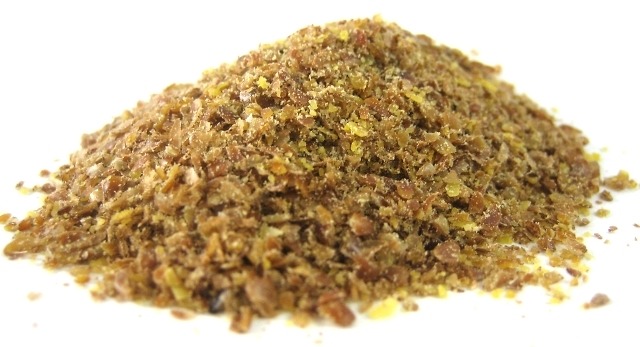
The nutritional profile of flaxseed extends beyond its omega-3 content. Flax is also one of the most energy-dense feedstuffs available, with over 40% fat and more than 20% protein and a TDN of 110% — higher than corn. That energy density means flax contributes meaningfully to overall caloric intake without requiring large volumes, making it practical for top-dressing over existing rations without disrupting established feeding programs.
Flax also contains both soluble and insoluble fiber, including mucilage — a gel-forming fiber that coats and soothes the digestive tract, supports healthy gut motility, and provides a physical buffer against the irritation that contributes to ulcers and hindgut acidosis in horses. The low sugar and low starch profile makes it suitable for metabolically sensitive horses, cattle with acidosis risk, and dogs with dietary restrictions.
Processing matters enormously with flax. The omega-3 fatty acids in flax are sensitive to heat, light, and oxidation. Heat processing — the method used in most commercial feed manufacturing — degrades those fatty acids before they ever reach the animal’s body. Cold-milling preserves them intact. Outlaw Nutrition uses a cold-milling process specifically to ensure that the omega-3s delivered in every bag of Big Hoss, Stocked Up, and Unleashed arrive in the animal’s body functional and bioavailable — not degraded by the processing that renders so many other flax-based products far less effective than their labels suggest.
What the Research Shows
The case for omega-3 supplementation through flaxseed is not built on marketing claims. It is built on decades of university and industry research across multiple species.
In horses, research demonstrated that flax-supplemented horses showed no lameness in a laminitis challenge study, while all six control horses developed the condition. That is a striking result for any horse owner managing a horse with laminitis history or risk factors.
In beef cattle, Kansas State University and North Dakota State University research found that flax-supplemented cattle gained 3.42 pounds per day versus 3.08 for controls — an improvement in feed efficiency exceeding 12%. Disease-challenged heifers fed flax finished 20 pounds heavier than their non-supplemented counterparts. Multiple studies found 10% to 30% more USDA Choice carcasses in flax-fed groups, generating $6 to $18 more per head at harvest.
In dairy cattle, flax-fed cows showed first service conception rates of 87% compared to 50% in control cows fed calcium salts of palm oil. Embryo death in flax-fed cows was 0%, compared to 15.4% in the control group. Milk fat percentage improved, somatic cell count declined, and milk protein levels increased consistently across multiple trials.
In bulls, Kansas State University found that flax supplementation produced 9% greater sperm motility and 21% more normal sperm compared to unsupplemented controls. A commercial ranch trial in Montana produced nearly identical results — 8% greater sperm motility and 22% more normal sperm.
In dogs, flaxseed supplementation consistently increases plasma omega-3 concentrations and produces measurable improvements in coat quality, skin health, and inflammatory markers — the same mechanisms that drive joint comfort, immune resilience, and overall vitality.
What Omega-3 Deficiency Actually Looks Like
The challenge with omega-3 deficiency is that it rarely announces itself clearly. Animals do not display a single symptom that points directly to the cause. Instead, the signs are subtle, cumulative, and easy to attribute to other factors.
In horses: a coat that is dull despite regular grooming, joints that stay puffy longer after hard work, slow recovery between training sessions, recurring digestive sensitivity, a horse that never quite reaches the level of condition their nutrition and management should produce.
In cattle: feed efficiency that underperforms expectations, animals that struggle to rebound after weaning or transport stress, reproductive performance that falls short of the herd’s genetic potential, immune challenges that require more veterinary intervention than they should.
In dogs: a coat that sheds excessively or lacks the shine of a well-nourished animal, stiffness after exercise that takes longer to resolve than it used to, recurring skin irritation or hot spots, digestive irregularity.
None of these are dramatic. All of them respond to omega-3 supplementation in research trials — and in the real-world experience of Outlaw Nutrition customers across all three species.
Closing the Gap: Big Hoss, Stocked Up, and Unleashed
Outlaw Nutrition built its entire product line around this single foundational insight: most animals are chronically deficient in omega-3 fatty acids, and correcting that deficiency through the richest, most bioavailable plant source available produces consistent, measurable improvements in health, performance, and quality of life.
Big Hoss delivers cold-milled flax with a guaranteed minimum of 12% omega-3 to horses of every discipline and activity level — from elite competitors to trail horses and backyard companions. Alongside the cold-milled flax, Big Hoss includes a unique microbial fermentation ingredient that feeds and activates the native beneficial bacteria in the horse’s gut, driving better nutrient absorption, reduced lactic acid during exertion, faster recovery, and stronger immune function. The two ingredients work together — the flax addresses the omega-3 deficiency, and the microbial ingredient ensures the horse’s digestive system is functioning at the level needed to fully utilize what it receives.
Stocked Up brings the same cold-milled flax foundation to cattle, sheep, goats, llamas, and other multi-species livestock, paired with the same unique microbial fermentation ingredient that makes Big Hoss so effective for horses. For ruminants, this ingredient is particularly impactful — university research shows it increases total rumen bacteria counts to nearly 8 times the control level, outperforming yeast, Probios, and other leading fermentation products by a wide margin. Better rumen function means better feed efficiency, higher daily gains, stronger stress recovery, and more value extracted from every pound of feed already in the ration.
Unleashed delivers cold-milled flax omega-3s to dogs alongside a unique gut health ingredient and select natural berries — a combination that addresses inflammation, digestion, immunity, and antioxidant protection in one daily serving.
All three products use the same cold-milling process that preserves omega-3 integrity. All three are all-natural, non-GMO, low sugar, and low starch. All three are designed to top-dress over existing feed programs without disruption. And all three carry a 2-year shelf life — stable, reliable, and ready when your animals need them.
Read what owners and producers across the country are experiencing on our reviews page, explore the full Outlaw Nutrition Academy for more in-depth articles on animal nutrition, or call us at 612.465.0417 to talk through which product is right for your operation.
When you need what’s required… Outlaw Nutrition.